
Walking the Ages: Cabriole, Tapered, and Hairpin Legs Across Style and Time

Join us on a richly detailed journey through the Leg and Foot Styles Timeline, spotlighting cabriole grace, tapered precision, and hairpin ingenuity across their distinct eras. We connect workshops, courts, factories, and living rooms, revealing how silhouettes evolved with materials, ideology, and daily life. Expect practical identification tips, engaging stories from makers and collectors, and styling guidance you can apply immediately. Share your finds, ask questions, and subscribe to follow the next deep dive into furniture history with fresh, usable inspiration.

Cabriole Curves and Baroque Grace

Graceful S-curves once signaled luxury, from Queen Anne to Louis XV interiors, where cabriole knees and carved shells conversed with silk wallcoverings and gilded mirrors. We explore proportions, common woods like walnut and mahogany, and expressive feet—from pad to ball-and-claw—that telegraphed status and regional taste. Along the way, hear a restorer recall finding pencil layout marks beneath a knee carving, revealing a human hand planning rhythm and depth. Comment with your favorite cabriole discovery or question, and we will compare notes together.

Ball-and-Claw Drama

Born from global exchange, the ball-and-claw often references Chinese dragon imagery gripping a pearl, translated by Georgian and Chippendale carvers into tactile bravado. Examine ankle thickness, talon undercut, and ball alignment to judge quality. A crisp knuckle usually indicates sharper gouges, not sanding. In auction rooms, mismatched front and rear feet may signal repairs or marriages. Share photos of your claw details, and we can crowd-source likely dates and workshops while keeping learning welcoming and rigorous.

Pad and Club Feet Elegance

In earlier Queen Anne examples, the pad or club foot feels quieter, resting like a well-placed comma at the end of a flowing sentence. Look for flattened pads with slight dish, sometimes accompanied by a ring turn or ankle bead. Uneven wear patterns reveal how a chair lived on brick or wide-plank floors. If you spot new screw pockets in corner blocks, a later reinforcement may have altered stance. Ask practical questions below; your observations sharpen everyone’s eye.

Carving the S-Curve

Creating the confident S required stock selection, grain orientation, and patient removal rather than aggressive shortcuts. Craftspeople roughed blanks by saw, refined with spokeshaves and rasps, and finished with careful scraping that follows figure. On antiques, tool chatter and asymmetry read as charming honesty, not failure. For contemporary makers, jigs and laminations can stabilize movement while honoring the silhouette. Post process photos, successes, and missteps; shared experiments turn intimidating curves into achievable goals.

Tapered Lines and Enlightened Order

Hepplewhite and Sheraton Geometry

Delicate rails, reeded details, and inlaid banding directed the eye toward attenuated supports. A square leg often tapers on two faces to lighten the stance without sacrificing structural confidence. Spade feet finish with quiet emphasis, sometimes echoed by brass casters or simple collars. When assessing age, examine corner-block shape, glue evidence, and saw kerfs inside aprons. Share your quick measurements from thrift finds, and we will estimate period influence together with friendly precision.

Shaker Honesty and Workmanship

Shaker workshops favored utility that becomes beauty through economy and care. Their legs often taper evenly on two or four faces, losing visual weight gracefully toward the floor. Maple, cherry, or birch offered strength and humble warmth, while pegs and clean joinery resisted fuss. You can spot burnished facet transitions where hand planes kissed edges. Try drawing a taper with only ratios and shadow lines; post the result, and community critique will be kind and specific.

Danish Modern Warmth

Twentieth-century Scandinavian designers adapted tapering into supple, organic profiles that meet the floor with soft confidence. Rounded, slightly splayed legs paired with sculpted seat shells create comfort before anyone sits. Look beneath for solid joinery, often dowels, loose tenons, or finger-jointed stretchers. Oil finishes invite touch and honest aging. If you are mixing eras, try pairing a teak table on round tapers with spindle-back chairs; upload your room mockups, and we will refine balance together.

Hairpin Spark and Industrial Poise

Forged during wartime austerity in the early 1940s and widely credited to designer Henry P. Glass, the hairpin leg transformed scarcity into clarity. Two or three steel rods bend into resilient strength, freeing tops to feel weightless. The form travels easily between industrial lofts and quiet homes, proof that restraint can feel generous. We trace variations, coatings, heights, wobble cures, and floor protection. Share projects, dimensions, and sources so readers can learn from your experiments and celebrate resourcefulness.

The 1940s Origin Story

Origin tales include department store displays and garden furniture built to respect material rationing while keeping silhouettes lively. Glass’s approach distilled structure into line, inviting postwar optimism to sit down and breathe. Early examples show tight bends, discreet mounting plates, and conservative diameters. If you inherit a piece, photograph weld beads and plate hole patterns; community comparisons can place production within decades. Memory loves details, and details help conserve design lineage with generosity.

Steel Choices and Sustainable Considerations

Cold-rolled versus hot-rolled steel behaves differently under finish and load, and thickness matters for tall desks versus fragile side tables. Powder coating resists chips, while clear wax celebrates honest oxidation if you prefer wabi-sabi presence. Rubber or felt feet protect floors and quiet vibrations. Consider local fabrication to cut shipping emissions, or experiment with reclaimed rod stock. Tell us what finishes survived kids, pets, and parties; your data points become a living knowledge base.

A Timeline You Can Trace at a Glance

Chronology turns abstract styles into lived moments you can picture, touch, and date. Use this concise pathway to orient discoveries: early eighteenth-century curves, later eighteenth-century exuberance, sober early republic precision, utopian simplicity, and modernist lightness born of necessity. When coupled with materials and tool marks, the pathway becomes a trustworthy companion in markets, museums, and workshops. Add your sightings in the comments; each shared photograph strengthens this evolving map for newcomers and experts alike.

Hidden Strength: Joinery, Materials, and Proportions
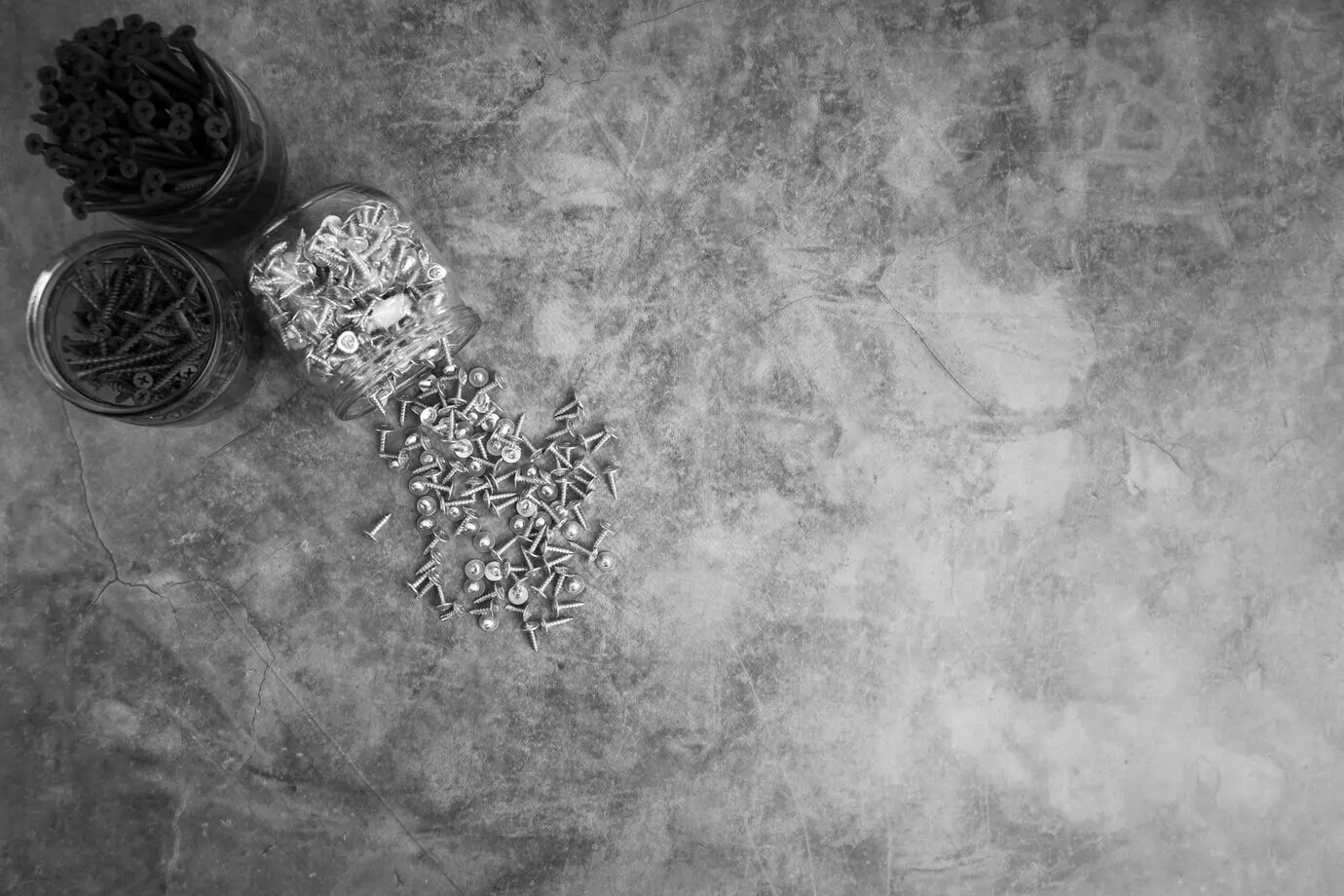
Beauty stands on structure. Behind every graceful silhouette lies a conversation between grain, geometry, and joints. We study mortise-and-tenon shoulders, corner blocks, dovetails, dowels, screws, and modern plates, explaining where stress lives and how to guide forces safely to the floor. Material choice—walnut, oak, maple, steel—shapes durability and repair paths. Bring questions about wobbles, cracks, and squeaks; we will translate symptoms into action plans, encouraging careful fixes and thoughtful preventative care.

Spotting Authenticity Without Snobbery

Trust clues over hunches: oxidation inside screw holes, tool chatter under aprons, and irregular saw strokes where the hand wandered. Consistent wear patterns beat artificial distressing every time. Smell can even help—old shellac and oak tannins tell stories. Bring questions about replaced feet or married bases; together we can weigh evidence kindly. Post what you are unsure about, and expect constructive, specific replies that respect budgets, enthusiasm, and the thrill of learning.

Styling Rooms With Confident Contrasts

Pair rococo cabriole with crisp linen slipcovers, or let lean tapered legs punctuate heavy wool rugs. Hairpin frames lighten bulky tops, keeping sightlines open in small apartments. Repetition creates calm; contrast injects energy. Use skirts, aprons, and shadow lines to choreograph rhythm. Photograph from knee height to judge balance honestly. Share your vignettes and floor plans; community feedback can refine scale, clearances, and comfort, turning good arrangements into quietly unforgettable spaces.
Pulseofnepal
Privacy Overview

This website uses cookies so that we can provide you with the best user experience possible. Cookie information is stored in your browser and performs functions such as recognising you when you return to our website and helping our team to understand which sections of the website you find most interesting and useful.